


In 2026, Dubai’s rental market is guided by clear rules that affect how you pay rent, sign contracts, and handle disputes. These regulations are designed to protect both tenants and landlords while keeping the process transparent. Knowing the latest Dubai rent payment rules helps you avoid penalties, manage costs better, and make confident rental decisions.
- Dubai’s rental legal framework
- Legal requirements for Dubai rent payment rules
- Risks and penalties for non-compliance with Dubai rent payment rules
- Common tenant mistakes to avoid
- Penalties and enforcement procedures
- Comparative summary of Dubai rent payment rules: What’s allowed vs. required
- Key takeaways
- FAQs
Dubai’s rental legal framework

Dubai rent payment rules in 2026 are shaped by a structured legal system designed to protect both tenants and landlords while ensuring transparency across the market. From how rent is paid to how disputes are resolved, every aspect is governed by clearly defined regulations.
The foundation lies in Law No. 26 of 2007, amended by Law No. 33 of 2008, which outlines the rights and responsibilities of both parties. Alongside this, Ejari serves as the official tenancy registration system, making contracts legally valid and enforceable. More recently, Law No. 4 of 2026 has introduced stricter controls around shared housing, ensuring safety, occupancy limits, and compliance standards are met across Dubai.
Legal requirements for Dubai rent payment rules
Understanding legal obligations helps tenants avoid unnecessary disputes and ensures a smoother rental experience.
Payment frequency and cheque system
Dubai allows flexibility when it comes to rent payments. Tenants and landlords can mutually agree on payment frequency, whether annual, semi-annual, quarterly, or monthly. However, monthly payments are increasingly encouraged, especially for newer contracts signed after January 1, 2025.
- Despite this shift, the post-dated cheque system in Dubai remains widely used.
- Many landlords still prefer receiving one to four cheques per year, depending on the agreement. This rent payment structure in Dubai continues to dominate due to its simplicity and legal recognition.
- At the same time, tenants now have more flexibility through different rent payment options in Dubai, including bank transfers, card payments, and standing instructions. These alternatives are gaining traction, particularly among tenants who prefer better cash flow management.
Consequently, comparing the payment terms across different Dubai rental properties can help you secure a lease that provides both financial flexibility and peace of mind.
Explore the Available Apartments for Rent in Dubai
-
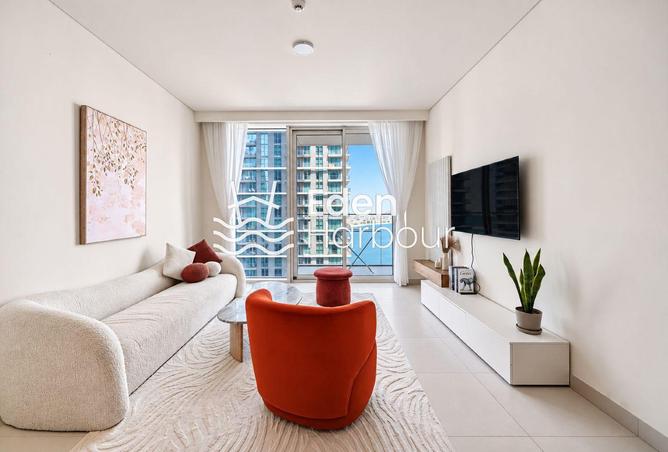

Apartment
Listed 3 weeks ago
155,000 AED/year
EXCLUSIVE | AVAILABLE NOW | MULTIPLE CHEQUES
Beach Mansion Tower 1, Beach Mansion, Emaar Beachfront, Dubai Harbour, Dubai
1
1
787 sqft
-


Apartment
Listed 5 days ago
750,000 AED/year
2-Months free |Perfect for families | Nearby metro
City Tower 1, City Towers, Sheikh Zayed Road, Dubai
4
6
2,896 sqft
-

Apartment
Listed 5 days ago
200,000 AED/year
Elegant home | Skyline views |
City Tower 1, City Towers, Sheikh Zayed Road, Dubai
2
4
1,701 sqft
-
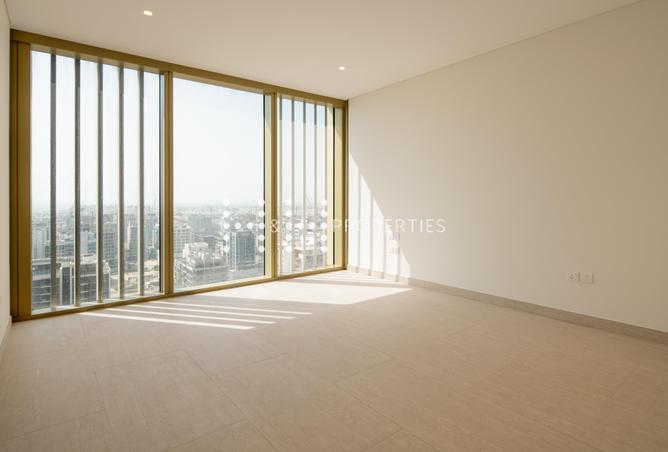

Apartment
Listed 5 days ago
160,000 AED/year
Exclusive Offer - 2 Months Rent Free | Sea View
City Tower 1, City Towers, Sheikh Zayed Road, Dubai
1
none
1,173 sqft
-


Apartment
Listed 5 days ago
80,000 AED/year
2-months free | Brand new | Metro nearby
City Tower 1, City Towers, Sheikh Zayed Road, Dubai
studio
1
538 sqft
-


Apartment
Listed 10 hours ago
409,900 AED/year
4 Bed + Maid I Full Skyline View I Ready to move
Beach Mansion Tower 1, Beach Mansion, Emaar Beachfront, Dubai Harbour, Dubai
4
5
2,448 sqft
-


Apartment
Listed 1 week ago
85,000 AED/year
Multiple Cheques| Fully Furnished | High Floor
The Ivy, District 5, Jumeirah Village Triangle, Dubai
1
1
709 sqft
-


Apartment
Listed 12 hours ago
295,000 AED/year
Lifestyle Amenities| Ideal Location |
City Tower 1, City Towers, Sheikh Zayed Road, Dubai
3
5
2,368 sqft
-
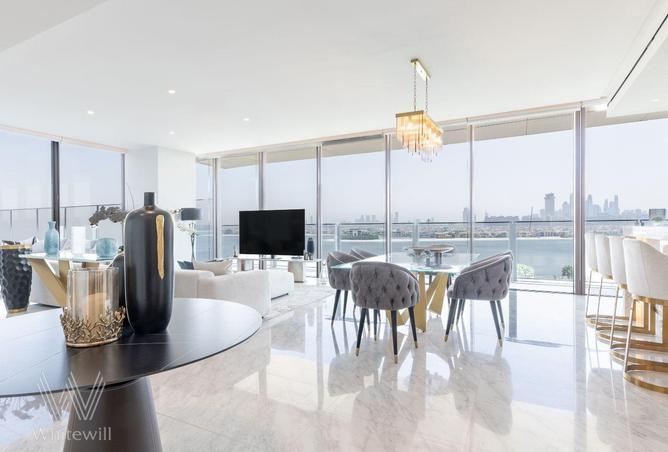

Apartment
Listed 2 weeks ago
5,000,000 AED/year
Designer Sky Court with Private Pool | Palm View
Atlantis The Royal Residences, The Crescent, Palm Jumeirah, Dubai
3
4
3,829 sqft
-


Apartment
Listed 5 days ago
90,000 AED/year
Higher floor | Private Pool | Spacious
Binghatti Phantom, District 17, Jumeirah Village Circle, Dubai
1
1
795 sqft
Contract registration (Ejari) requirements
All tenancy contracts in Dubai must be registered through Ejari. This is not optional. Without registration, a contract lacks legal standing, which can limit a tenant’s ability to raise disputes or access essential services.
Ejari is also linked to utilities, telecom services, visa processing, and even vehicle registration. Skipping this step can create complications far beyond the rental agreement itself. The Dubai rental laws clearly reinforce that Ejari registration is a critical compliance step for both tenants and landlords.
Rent increase notice and regulation
Rent increases in Dubai are tightly regulated.
- Landlords must provide tenants with a minimum of 90 days’ written notice before the lease renewal date if they intend to increase rent.
- Additionally, increases must fall within the limits set by the RERA Smart Rental Index.
This prevents arbitrary or excessive rent hikes and ensures pricing aligns with market benchmarks. Tenants can use tools like Property Finder’s Data Guru to compare rental trends in specific communities and verify whether a proposed increase is justified.
Security deposit norms
While there is no fixed legal cap on security deposits, market practice typically sets them at 5 percent of the annual rent for unfurnished properties and 10 percent for furnished ones.
- The deposit must be returned at the end of the tenancy, provided there is no damage beyond normal wear and tear.
- Landlords are expected to justify any deductions with evidence such as inspection reports, invoices, or photographs.
- Proper documentation at move-in and move-out plays a key role in avoiding disputes.
Risks and penalties for non-compliance with Dubai rent payment rules

Failing to follow Dubai rent payment rules can lead to financial penalties, legal action, or even eviction.
For tenants
- Non-payment: Non-payment of rent is one of the most serious violations. If a tenant fails to pay, the landlord can issue a written notice. If the payment is not settled within 30 days, eviction proceedings can begin under Article 25 of the tenancy law.
- Cheque issues: Bounced cheques also carry significant consequences. The legal risks for tenants for writing cheques to the wrong party include fines and potential legal action, depending on the severity of the case. In extreme situations, penalties can escalate to substantial fines or further legal consequences.
- No Ejari registration: Tenants who fail to register Ejari may also lose access to essential services and legal protection, making it difficult to resolve disputes formally.
For landlords
- No tenancy contracts: Landlords are equally accountable under Dubai’s rental laws. Failure to register tenancy contracts or comply with updated payment norms can result in fines.
- Shared housing: In cases involving shared housing, violations of Law No. 4 of 2026 can lead to significantly higher penalties. Fines may start from AED 500 and go up to AED 500,000 for first-time violations, with even stricter penalties for repeat offences.
Working with verified professionals, such as those recognised under Property Finder’s SuperAgent badge, can help landlords maintain compliance and uphold quality standards in rental transactions.
Common tenant mistakes to avoid
Even in a regulated market like Dubai, small oversights can lead to larger issues.
- One common mistake is agreeing to a rent increase without verifying it against the RERA Smart Rental Index or ensuring the required 90-day notice has been provided.
- Another frequent issue is delaying Ejari registration. Some tenants assume a signed contract is sufficient, but without Ejari, legal protection is significantly weakened.
- Documentation is another area where tenants often fall short. Failing to record the condition of the property at move-in can lead to disputes over security deposit deductions later.
- Many tenants also underestimate the importance of understanding rent payment in Dubai before signing a contract. Payment terms, cheque dates, and instalment structures should always be reviewed carefully.
- Finally, living in shared accommodation without verifying its compliance under Law No. 4 of 2026 can expose tenants to fines or eviction if the property is not properly licensed.
Penalties and enforcement procedures
Dubai has a well-defined system for enforcing rental laws and resolving disputes.
Eviction procedures
Eviction is not immediate. In cases of non-payment, landlords must first issue a written notice. Tenants are then given 30 days to settle outstanding dues. If the issue remains unresolved, the landlord can approach the Rental Dispute Centre for legal eviction.
For other reasons, such as property sale, demolition, or personal use, landlords must provide a 12-month written notice through official channels, such as a notary public.
Shared housing enforcement
Shared housing regulations are strictly enforced under Law No. 4 of 2026. Properties must meet safety standards, occupancy limits, and licensing requirements.
Non-compliance can result in fines, eviction notices, utility disconnections, or suspension of property use. Both tenants and landlords share responsibility in ensuring the property meets regulatory standards.
Deposit disputes and legal recourse
Security deposit disputes are handled through the Rental Dispute Centre. If a landlord withholds the deposit without a valid justification, tenants can file a case.
Landlords must provide an itemised breakdown of deductions along with supporting evidence. In most cases, disputes are resolved within 15 to 30 business days. Filing fees typically amount to around 3.5 percent of the annual rent, subject to minimum and maximum limits.
The penalties for incorrect rent payments further reinforce the importance of adhering to proper payment processes and documentation.
Comparative summary of Dubai rent payment rules: What’s allowed vs. required
| Aspect | Legally required | Common practice |
| Payment frequency | As agreed, the contract must specify monthly incentives for new leases | 1 to 4 post-dated cheques per year; some annual payments |
| Contract registration (Ejari) | Mandatory for all new and renewed contracts | Almost always registered in reputable properties |
| Deposit amount | No legal maximum; governed by contract | 5 percent unfurnished and 10 percent furnished are prevalent |
| Notice for rent increase | 90 days written notice; within RERA index caps | Often less notice or inflated increases (illegal) |
Key takeaways

Dubai’s rental system is built on clear legal foundations, combining long-standing tenancy laws with newer regulations like the shared housing law of 2026. Compliance is not just about avoiding penalties but also about ensuring a smooth and secure rental experience.
Registering contracts through Ejari, following regulated rent increase rules, and maintaining proper documentation are essential steps for tenants. At the same time, understanding payment structures, legal risks, and dispute mechanisms helps avoid costly mistakes.
FAQs
You may lose access to utilities, visa processing, and legal protection in case of disputes.
A minimum of 90 days’ written notice is required before lease renewal, and the increase must align with RERA guidelines.
No. A written notice must be issued first, followed by a 30-day grace period before legal action can begin.
Only damages beyond normal wear and tear, supported by proper documentation such as inspection reports and receipts.
You have the right to live in a registered, compliant property that meets safety and occupancy standards, with formal agreements in place.
Staying compliant with Dubai rent payment rules in 2026 is less about complexity and more about awareness and timely action. A clear understanding of your rights and responsibilities can prevent disputes and keep your tenancy experience smooth and secure.